

Protein is the foundation of a strong body. It helps build and maintain muscle, keeps you fuller for longer, and supports recovery from training. Consuming adequate protein is essential for weight management, as it reduces cravings and prevents muscle loss when in a calorie deficit.
To maximise your protein intake, aim to include a high-quality protein source in every meal. Some excellent choices include lean meats such as chicken, turkey, and lean beef; fish like salmon, tuna, and cod; eggs and egg whites; Greek yoghurt and cottage cheese; and plant-based proteins like tofu, tempeh, lentils, and beans.
💡 Quick tip: A simple way to ensure you’re getting enough protein is to have a palm-sized portion with each meal. If you struggle to meet your protein targets, consider supplementing with a high-quality protein powder.
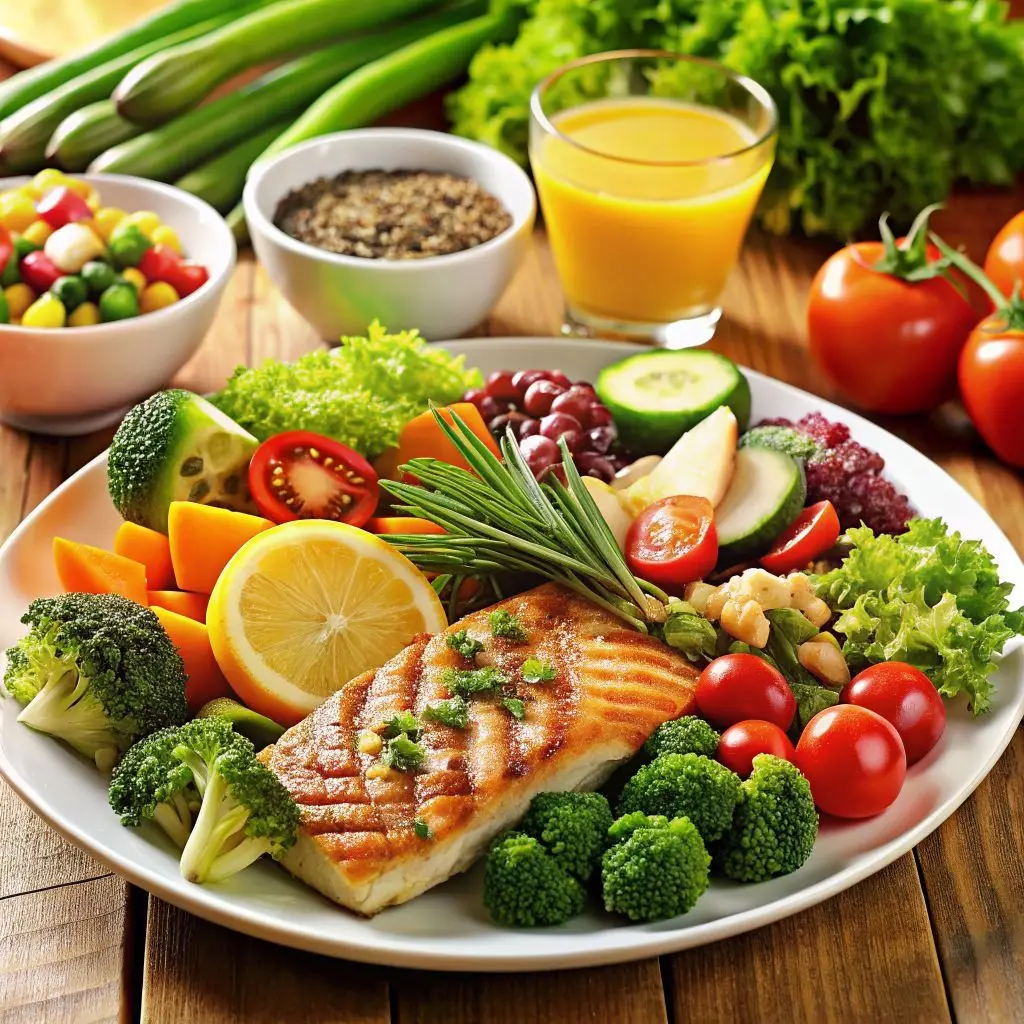
One of the best health nutrition habits you can develop is focusing on whole foods. These foods are minimally processed, high in essential nutrients, and provide the fuel your body needs for optimal performance.
Eating a diet rich in whole, nutrient-dense foods can boost your energy levels, improve digestion, and support your fitness goals.
Some of the best whole foods to include in your daily meals include vegetables such as leafy greens, capsicum, carrots, cucumbers, and cruciferous vegetables; fruits like berries, apples, oranges, and bananas; whole grains including brown rice, quinoa, oats, and whole wheat products; healthy fats such as avocados, nuts, seeds, and olive oil; and lean proteins like chicken, fish, lean beef, and eggs.
💡 Quick tip: When grocery shopping, stick to the outer aisles of the store where fresh, whole foods are typically found.
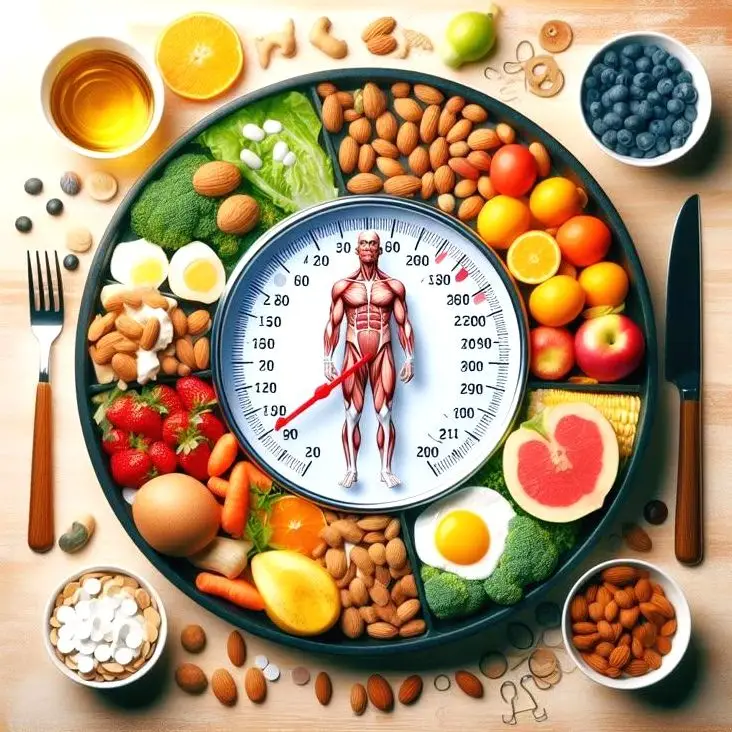
Caloric intake plays a significant role in body composition, but you don’t need to count every calorie to stay lean. Instead, focus on portion control using simple visual cues. A well-balanced plate should include protein (palm-sized portion), veggies (half your plate), healthy fats (thumb-sized portion), and carbohydrates (cupped-hand portion, adjusting based on activity levels).
Practising mindful eating can help prevent overeating and unnecessary snacking. Chew your food slowly, avoid distractions while eating, and listen to your body’s hunger and fullness signals.
💡 Quick tip: Eating slowly and stopping when you’re 80% full can help you maintain a healthy weight without feeling deprived.

Water is essential for digestion, energy levels, and overall health. Staying properly hydrated supports metabolism, helps curb unnecessary cravings, and prevents fatigue. Dehydration can often be mistaken for hunger, leading to unnecessary snacking and overeating.
To maintain optimal hydration levels, aim for at least 2–3 litres of water per day, increasing intake if you’re active or in a hot climate. Additionally, be mindful of liquid calories from sugary soft drinks, high-calorie coffee drinks, alcoholic beverages, and sports drinks (unless needed for intense training).
💡 Quick tip: Carry a reusable water bottle with you and sip throughout the day to ensure you’re staying hydrated.

When it comes to healthy eating, consistency beats perfection. A restrictive, all-or-nothing approach can lead to frustration and burnout. Instead, aim for progress over perfection by developing habits that are easy to sustain in the long run.
A practical way to approach nutrition is by following the 80/20 rule: 80% of your diet should consist of whole, nutrient-dense foods that support your health and fitness goals, while 20% of your diet can include enjoyable treats and flexibility to maintain balance. This approach allows for social meals, celebrations, and indulgences without guilt or setbacks.
💡 Quick tip: If you slip up, don’t dwell on it. One meal won’t derail your progress—just get back on track with your next healthy choice.