

Women's Strength Training: Key Principles for the Gym
Strength training is one of the most powerful things you can do for your body. But as women, understanding how we are built differently changes everything about how we should train.

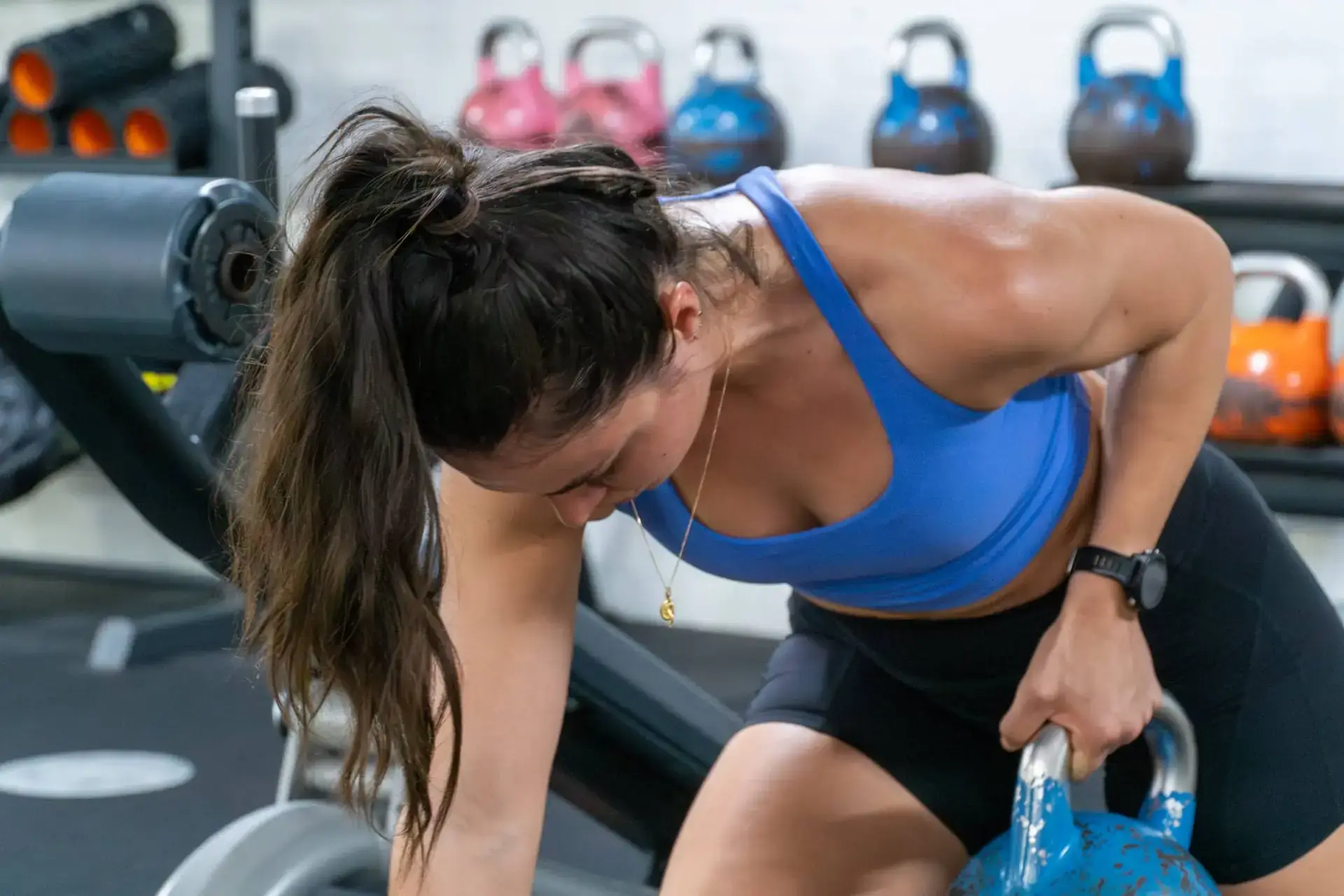
Women's strength training has become one of the most powerful tools for building health, improving confidence, and getting stronger both physically and mentally. But it is important that we are aware our bodies work entirely differently to a man's, and our approach in the gym should reflect that.
Understanding how the female body adapts, repairs, and thrives under the right training stimulus does more than just improve gym performance. Research shows that strength training promotes hormonal balance, supports bone density, and builds the kind of lifelong vitality that keeps you feeling strong well beyond your twenties and thirties.
These are some key principles that have genuinely improved my own training and recovery, and I would love to share them with you.
Compound Lifts: The Best Gym Exercises for Women
Compound lifts are the big movements in the gym that use multiple muscle groups to complete a single exercise. They are the foundation of any effective strength program, and they are especially important for women.
These are the movements that should form the core of your training:
Squats
Full-body strength builder targeting glutes, quads, and core.
Deadlifts
Posterior chain powerhouse for hamstrings, glutes, and back.
Hip Thrusts
The most targeted glute builder with direct hip extension.
Bench Press
Upper body pressing strength for chest, shoulders, and triceps.
Pull Ups
The ultimate back and lat builder. Scaled options for every level.
Shoulder Press
Overhead strength that builds shoulders and improves posture.
These movements have been proven to be extremely effective for women. They do far more than just build strength. Compound lifts tone muscle, enhance bone density, and improve functional fitness, which means the strength you build in the gym carries directly into everyday life.
If your current program does not include at least a few of these movements each week, it is worth asking whether your training is truly working for you.
Progressive Overload for Women: Small Steps, Big Results
Progressive overload is the principle of gradually increasing the stress placed on your muscles over time so they continue to grow stronger, bigger, and more resilient. It is the single most important concept in women's strength training, and it is the reason some women see results while others feel stuck.
It works on the basis of compounding. Small, consistent improvements lead to significant results over time. And the beauty of it is that there are multiple ways to apply it:
Increase Weight
Add small increments to the bar. Even 1.25kg plates add up over months.
Add Reps or Sets
More volume at the same weight builds strength and muscular endurance.
Increase Time Under Tension
Slower tempos mean muscles work harder for longer each rep.
Adjust Tempo
Controlling the speed of each phase of a lift creates a new challenge.
The idea is simple: gradually increase intensity through your variable of choice. You do not need to add weight every single session. Some weeks, adding one extra rep or holding a slower tempo is more than enough to keep the body adapting.
Why progressive overload matters specifically for women
Women's bodies respond exceptionally well to structured, steady progress. This style of training delivers consistent results precisely because it does not overwhelm the body with too much stress at once. It respects your recovery capacity while still pushing you forward. When you combine progressive overload with good nutrition and adequate rest, the results compound quickly.
Training Around Your Menstrual Cycle: A Women's Strength Guide
This is not an essential part of training for every woman. However, many women find it extremely beneficial to train in alignment with their cycle. Once you start paying attention, you may notice that some weeks you feel unstoppable and other weeks everything feels ten times harder. That is not a lack of discipline. That is physiology.
The basics involve understanding two key phases. Recent research supports adjusting training intensity based on where you are in your cycle:
Occurs before your period. During this phase, many women experience fatigue, a rise in body temperature, and bloating. RPE (rate of perceived exertion) may feel higher and you may find it harder to lift heavy. This is the time for lighter or more moderate sessions. Think yoga, pilates, or training with lighter weight. The goal is lower-impact training that supports your body rather than fighting it.
Occurs after your period. During this phase, you typically have higher strength potential and better recovery. This is the time to push your body, to lift heavy, and to attempt PRs. Your body usually responds much better to higher-impact training during this window. If you have been wanting to test a new max, this is your phase.
How to apply this in practice
- Track your cycle consistently. Use an app or a simple calendar. After two to three months, patterns become clear.
- Plan your heavy sessions for your follicular phase when strength and recovery are at their highest.
- Reduce intensity during your luteal phase. This is not slacking off. It is training intelligently.
- Pay attention to how you feel. Every woman's cycle is different. Use the phases as a guide, but always listen to your own body first.
A note on individuality
Although this information can be extremely helpful, every woman's cycle is different. Some women feel strong throughout both phases. Others notice a huge difference. The most important thing is to listen to your own body and find out what works best for you as an individual. There is no one-size-fits-all approach, and that is completely okay.
Bringing It All Together
These three principles, compound lifts, progressive overload, and cycle-aware training, are not complicated on their own. But when you layer them together, they form the foundation of a women's strength training approach that is designed to work with the female body, not against it.
You do not need to implement everything at once. Start with one. Build your program around the big compound movements. Once that feels solid, introduce progressive overload so you are always moving forward. And if it feels right for you, start tracking your cycle and adjusting your intensity around it.
The women I see getting the best results in the gym are not the ones training the hardest every single day. They are the ones training consistently, intelligently, and with an understanding of how their own body responds.
Where to start at Catalyst Training Co.
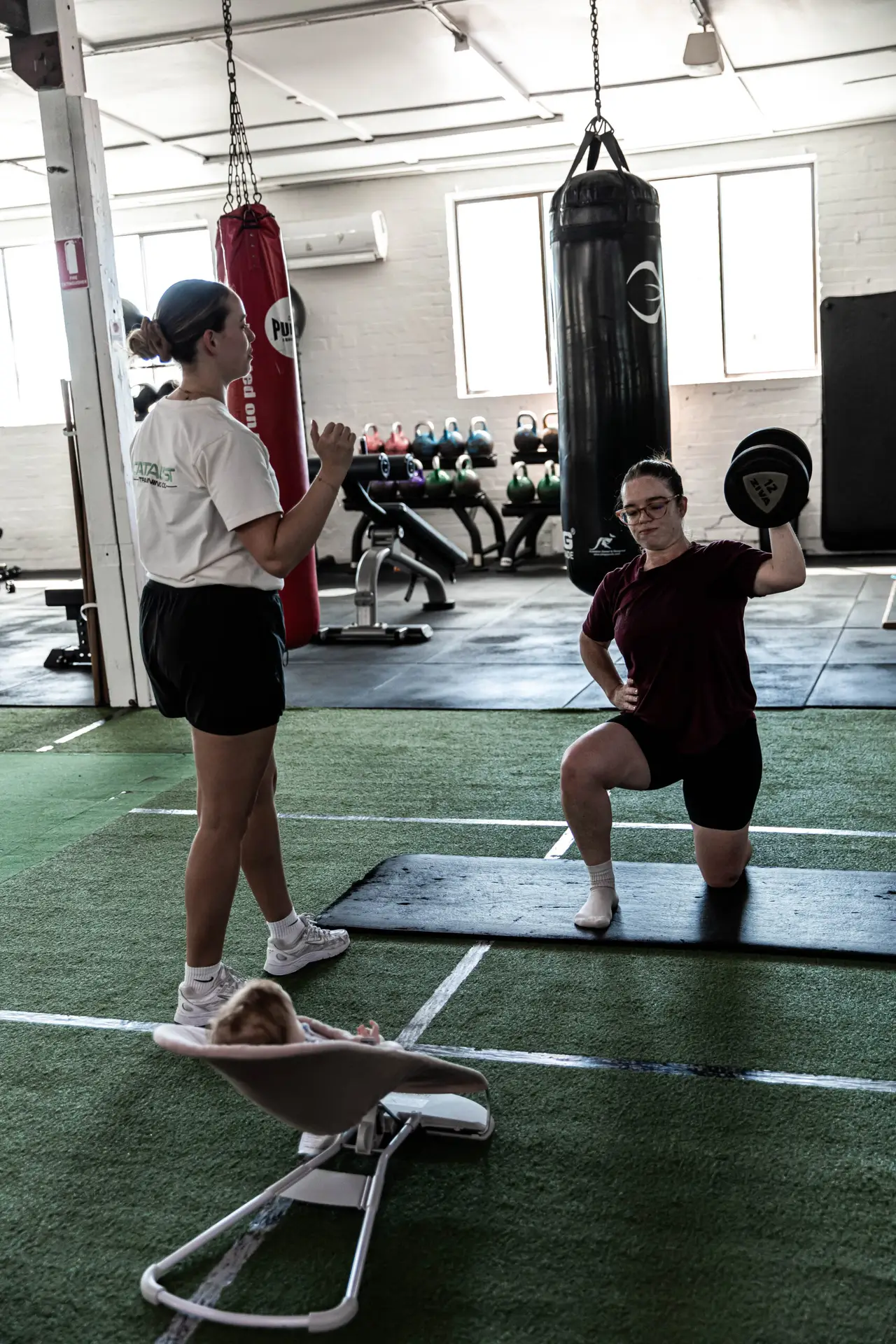
If you are not sure where to begin, or you have been training for a while but want a more structured approach, our coaches at Catalyst Training Co. in Randwick can help. Whether it is through personal training or our small group sessions, every program is built around these principles, and adapted to where you are right now.
If you are pregnant or recently postpartum, our pre and post natal exercise programs are specifically designed for women at every stage.
You deserve a training environment where you feel supported, coached properly, and confident that what you are doing is actually working.
Frequently Asked Questions
Ready to Train Smarter?
Expert coaching built around how your body actually works. Personal training, group sessions, or both — start with a free 7-day experience and feel the difference.
Start Your 7-Day Experience115 Avoca Street, Randwick NSW 2031 · 0450 561 000